

Why This Matters Now
The way your buyers search for answers is changing fast. Traditional keyword-based search engines are giving way to AI-driven platforms that summarize, synthesize, and recommend content directly to the user. Gartner predicts a 25% decline in traditional search volume by 2026. For industrial businesses that have long relied on being found through Google rankings, this represents a major shift.
Industrial decision-makers, engineers, and procurement leads are increasingly relying on AI assistants to cut through the clutter and deliver direct, trusted recommendations. If your company isn’t prepared, you risk becoming invisible during the most critical stage of the buyer’s journey.
How AI Search Is Different
Unlike traditional search, which provides a list of links, AI-powered engines generate conversational answers tailored to user intent.
That means:
- Semantic understanding: AI analyzes meaning, not just keywords.
- Context retention: Follow-up queries build on previous conversations.
- Multimodal search: Platforms like Google’s Gemini integrate text, images, and even video in their responses.
For industrial companies, this means buyers asking complex queries such as: “Which stainless steel fastener suppliers meet ASTM F593 standards and ship within 3 days?”
If AI search hasn’t “seen” your expertise structured in a way it can retrieve, your business won’t appear.
From SEO to LMO (Language Model Optimization)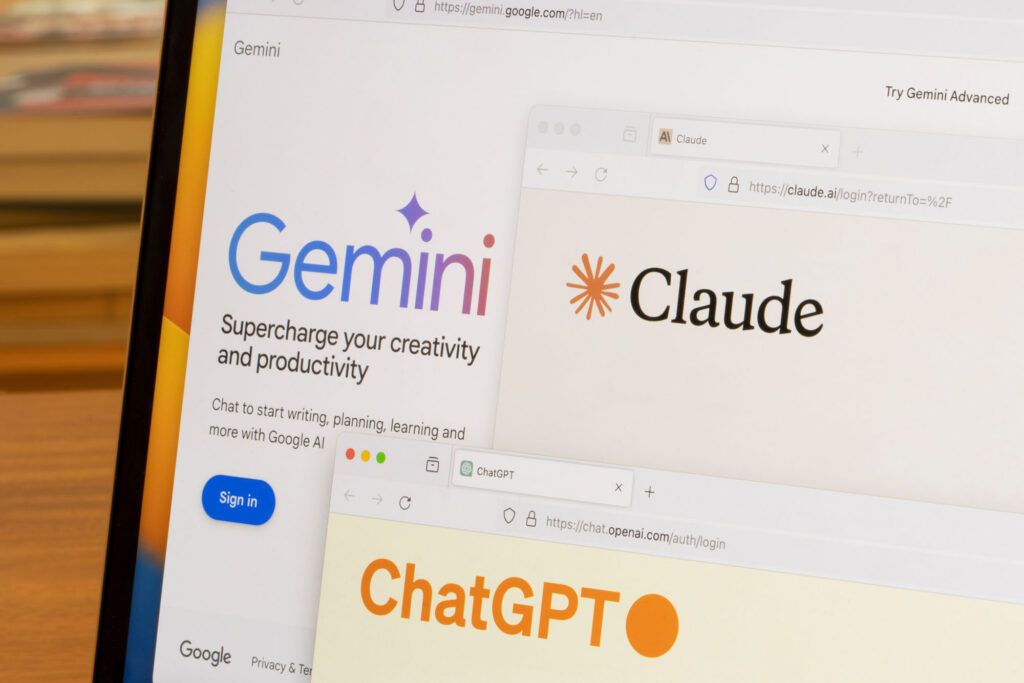
Traditional SEO isn’t going away, but it’s no longer enough. The new discipline is Language Model Optimization (LMO). Where SEO emphasizes keywords and backlinks, LMO emphasizes:
- Conversational clarity – Writing in natural language that directly answers buyer questions.
- Authority and citations – Backing claims with credible sources, certifications, or standards.
- Structured content – Using FAQs, bullet points, and headers so AI engines can parse and pull cleanly.
- User intent alignment – Understanding what the engineer or buyer really wants, not just what they typed.
Cutting Through the Acronyms: LMO vs GEO vs AEO
If you’ve heard different abbreviations tossed around, you’re not alone. Here’s what’s happening in the “naming war” around AI search optimization:
- LMO (Language Model Optimization): The broadest, most future-focused term. It refers to optimizing for large language models like ChatGPT, Gemini, or Claude – making sure your content is structured and authoritative so these systems can surface it.
- GEO (Generative Engine Optimization): An academic term that emerged in 2023, focused on how to appear in generative answers. It’s essentially a subset of LMO, but narrower and more experimental.
- AEO (Answer Engine Optimization): A holdover from the days of Google’s featured snippets. Some people still use it in the AI context, but it’s rooted in traditional SEO rather than today’s LLM-driven environment.
Our perspective: While others argue over labels, we focus on what actually works. At Amplify, we see LMO as the umbrella that matters for industrial companies today. GEO and AEO are worth knowing, but the core priority is clear: ensure your content is understood, trusted, and retrievable by AI.

5 Strategies Industrial Businesses Should Adopt
1. Analyze How You Appear in AI Search
Just as you once monitored Google rankings, now you must monitor AI visibility:
- Are you showing up in AI-generated responses?
- Is the sentiment positive?
- Are competitors being cited more often than you?
AI Search Guide
Industrial businesses can start by running test queries (e.g., “best industrial pump suppliers in North America”) and tracking how often their name appears.
2. Optimize for Buyer Intent
Industrial buyers are problem-solvers. They aren’t searching “pumps” – they’re asking:
- “Which pumps are best for high-pressure chemical applications?”
- “Who supplies ISO 9001–certified flow control components?”
Your content should provide direct, structured answers to these queries. Build resource pages, FAQs, and application notes that address real-world buyer scenarios.
3. Benchmark Competitors
AI engines often cite authoritative industry content. Look at where your competitors are being referenced:
- Are they contributing to standards organizations or forums?
- Are they publishing data-backed case studies?
- Are they gaining visibility in Google’s AI Overviews or Perplexity citations?
AI Search Guide
This intelligence helps identify gaps you can close.
4. Strengthen Authority with Data and Standards
Industrial buyers value proof and compliance. AI search engines value the same:
- Cite ASTM, ISO, NFPA, or other industry standards.
- Publish test data, certifications, and application performance metrics.
- Contribute to trade publications or engineering forums.
Recent research shows content with citations and statistics is 30–40% more likely to appear in AI search results.
5. Build a Multi-Channel Presence
AI search aggregates from multiple sources: websites, forums, reviews, news, and even Reddit threads.
To be visible:
- Encourage customer reviews on platforms integrated with AI engines (Yelp, industry forums).
- Participate in engineering discussions on Reddit, LinkedIn groups, or technical communities.
- Invest in PR that gets your brand into authoritative outlets, since these are licensed for AI training data.
For industrial firms, this could mean ensuring your voice is present in industry magazines, standards bodies, and technical Q&A forums.
What Industrial Marketers Should Do Today
Here are immediate actions to may take:
- Audit your content for structured formatting, citations, and buyer intent alignment.
- Monitor brand mentions in AI search, forums, and industry news.
- Engage in key online discussions where engineers and buyers share insights.
- Leverage schema and metadata so AI can parse technical details.
- Adapt regularly as AI search models evolve.
Why Partner With a Specialist Agency
At Amplify Industrial Marketing + Guidance, we’re already working with industrial clients to adapt their SEO strategies into AI search optimization strategies. We understand both the technical side (structured data, metadata, semantic optimization) and the industrial buyer journey (how engineers and procurement teams search and evaluate suppliers).
This shift isn’t about chasing buzzwords-it’s about ensuring that when an engineer asks an AI tool about the best solution for their project, your company is in the answer.
AI search is here to stay. Industrial companies that act now will own the conversation when buyers turn to AI for sourcing decisions. Those who delay risk fading into the background.
By investing in structured, authoritative, and intent-driven content and partnering with experts who live at the intersection of AI and industrial marketing, you can secure visibility in this new era of search.
Ready to Make Sure AI Search Finds You?
AI isn’t the future – it’s happening now. Engineers, procurement leads, and industrial buyers are already relying on AI-driven platforms to make sourcing decisions.
The question is: will your company’s expertise show up in those answers?
At Amplify Industrial Marketing + Guidance, we help industrial businesses:
- Audit their current AI search visibility
- Optimize content for Language Model Optimization (LMO)
- Align technical expertise with buyer intent
- Build structured, authoritative content that AI engines trust
- And build quantifiable lead generative workflows that scale